Perthshire Visitor levy to be decided in December
26 November 2026
Council trims £5m off projected benefit
Perthshire will find out on December 2nd whether it is to have a Visitor Levy, with the council trimming nearly £5m off its initial benefit projection.
Over 1235 people responded to the open consultation, with the majority of accommodation providers - who would administer the scheme - being opposed to the proposed £4-a-night charge.
Worried businesses recently disclosed to Perthshire Business News their fears that income projections from the tax had been vastly inflated, at £8m.
It has now been confirmed that those concerns were founded, with council officials admitting, following further investigation and independent analysis, the income figure which the new tax could bring to the local economy would be closer to £3.15m.
Sector advocacy
Effective lobbying by local businesses and tourism bodies also appears to have refined the final draft plan, with the charge to apply for a maximum of 5 nights and for caravan parks, aires, camping fields (including motorhome stops) and hostels now being exempt.
Accommodation providers in these lower cost segments argued that the additional charge could pose an existential threat to their businesses and officials seem to have factored those scenarios into its revised proposal.
Addressing a further oft-quoted criticism of the outline plan, any monies from a scheme – if approved – would be ringfenced specifically for tourism-related spend and will not go to ‘shore up flagging council finances’, as was widely commented by opponents.
Councillors will now consider the modified scheme on December 2nd, with a report recommending approval of the refined plan.
Contentious nationwide
Given the contentious nature of such schemes nationwide, that recommendation may not necessarily lead to adoption.
Whatever the outcome, Perth and Kinross Council Leader, Councillor Eric Drysdale, welcomed the engagement on the issue and assured residents and businesses that their opinions had been fully considered by the process, and subsequent revisions.
“While it is clear that there are concerns from respondents about the potential impact of a levy, as a Council it is important that we look at all of the information that we have available, including the areas where people taking part in the consultation made suggestions of where we could amend the scheme to reduce any potential impact.
“That is why the recommendation to Council now exempts lower-cost accommodation and caps the number of nights the levy would apply to. Those changes are direct responses to the feedback received.
“However, the consultation responses are just one factor that Councillors will need to consider. We also need to look at the opportunities that £3 million income could unlock.
“At a time when Councils have to carefully consider every penny allocated, a levy would create a protected source of income to help invest in and grow the infrastructure and services which support visitors to come to Perth and Kinross.
“Whatever decision the Council reaches, people should be able to see that their feedback has been heard and has played a meaningful part in shaping the proposal before us."
Using the money
If the levy is approved, there would be an 18 month statutory implementation period, with a start date to be June 2028 at the earliest.
Areas where any levy might be spent include tourism infrastructure and visitor facilities, events, destination marketing, environmental improvements and community projects in areas experiencing significant visitor activity.
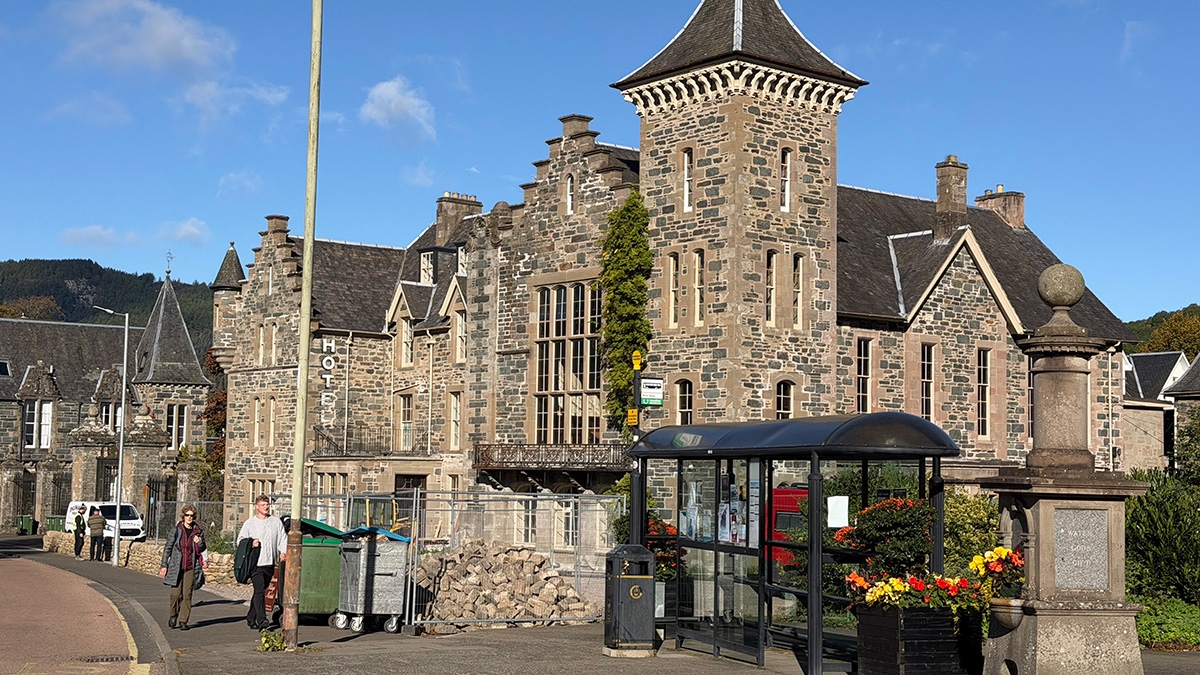
Parts of Highland Perthshire can experience seasonal visitor management challenges; national media recently highlighting visitors parking on laybys and verges on the A9 when trying to visit the Hermitage in Dunkeld.
Latest News