Defining moment for rural Perthshire economy
10th September 2026
Investigation Part 2
Stunning.
Diverse.
Sought-after.
These are some descriptions rightly ascribed to rural Perthshire.
But the rural Perthshire economy is fast approaching a pivotal moment.
And key decisions in the next 12-18 months will have a major impact on the future.
A destination
Farming, forestry and estates aside (we will return to this), the rural Perthshire economy is ostensibly a visitor economy - and currently, on the face of it, a buoyant one.
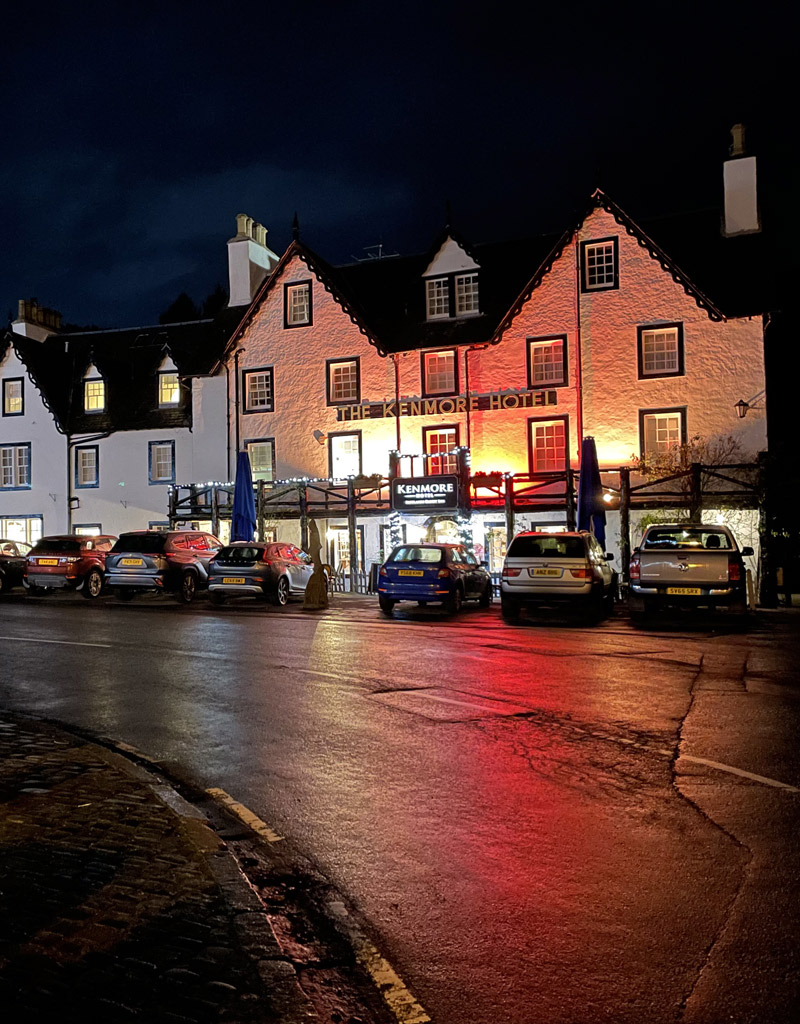
The impacts of the pandemic were tough but walk the busy streets of Highland Perthshire towns like Pitlochry, Dunkeld and Aberfeldy, today, and there is robust evidence of post-Covid recovery and stretching seasons.
This is backed by VisitScotland analysis and STEAM data - an economic model used to measure the volume and value of the visitor economy.
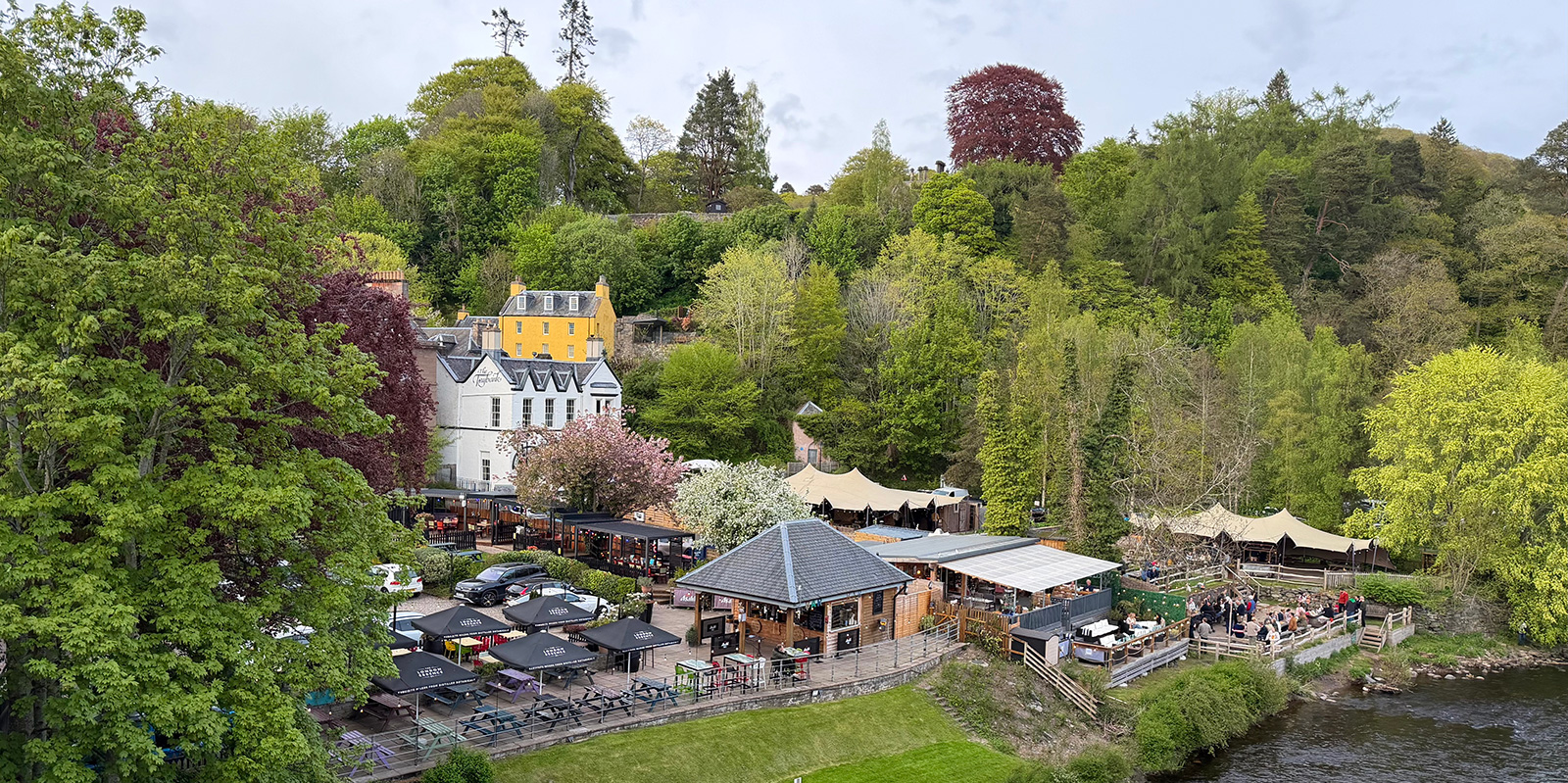 Towns like Dunkeld have weathered the pandemic storms
As 57.5% of the region’s economy is rural, these studies deserve further inspection.
The Visitor economy contributed £964m to the region in 2024, up 37% from 2023 (the post-pandemic world where people were cagily returning to traveling.)
There were 2.9m visitors in 2024 and 6m visitor days in total, up from 4.9m in 2023.
Ask hospitality personnel in places like Pitlochry and they will say that the international markets are mostly ‘back’, with American and Chinese visitors getting their passports out again with (nearly) pre-pandemic frequency.
Job provision
There are a huge number of jobs wrapped up in visitor-related sectors. 7200 jobs in Highland Perthshire alone stem from tourism-related retail and hospitality (9000 across the region) with these two sectors accounting for 14.5% of the entire economy, regionally.
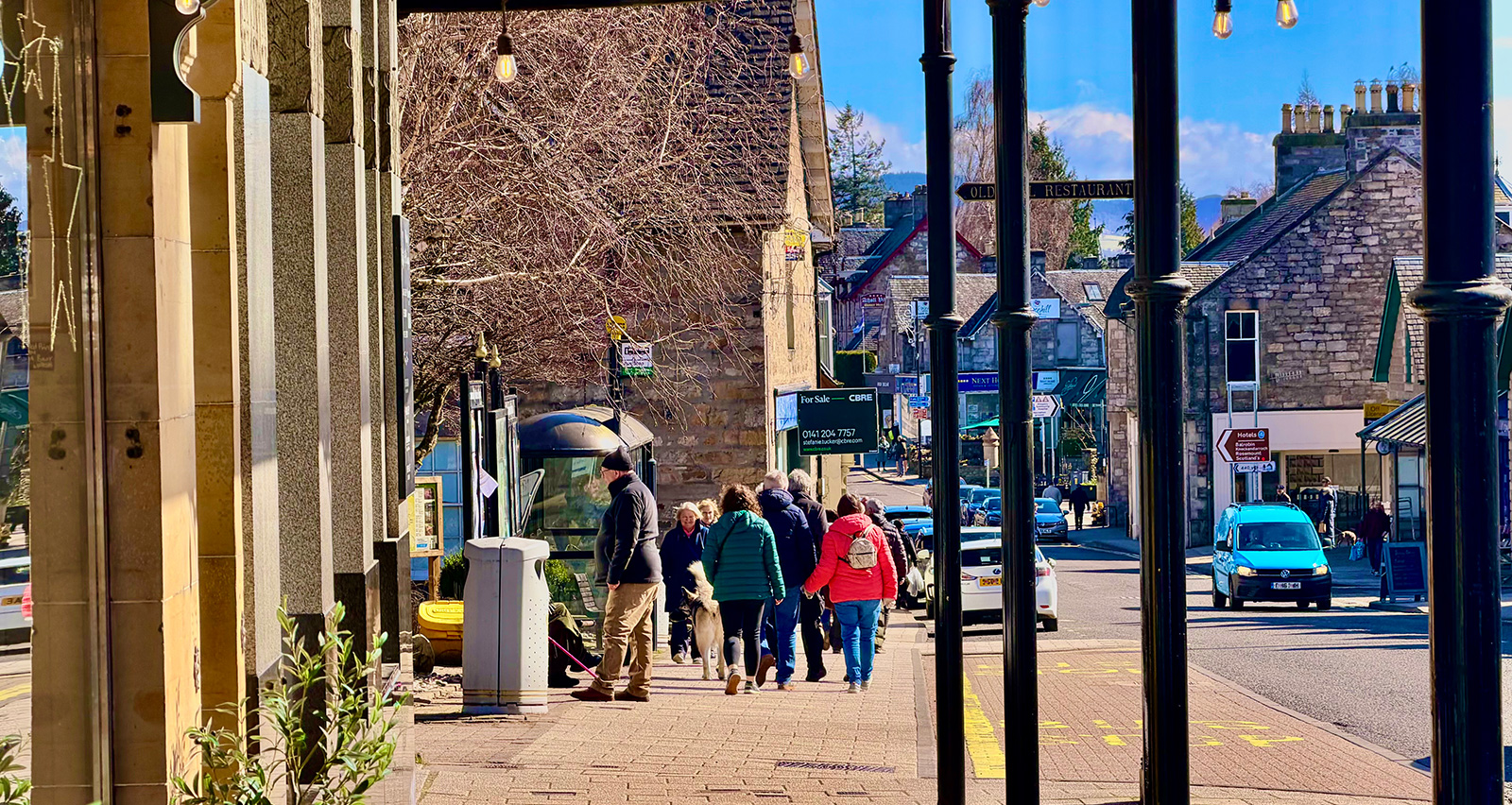 Retail is a big employer in rural Perthshire towns
The next sector is accommodation and food (12.9% of the economy and 8000 jobs), so, when it comes to looming decisions such as the Visitor Levy (currently open for consultation) there is potential – if handled badly- to destabilise a key component of the region’s entire business ecosystem.
These are big decisions for local councillors. Potential impacts could be widespread and rippling.
Why? A high degree of interconnectedness exists in the region’s economy. A shock near the head of the chain will reverberate in several subsections below.
Connection
While this can also be cited as a strength, there are already signs of strain in key sectors of the visitor economy exoskeleton.
As PBN highlighted in our first ‘State of the Perthshire Economy’ report, wholesale and retail in Perth and Kinross sit below the UK national average for growth potential, with signs of weakness, while food and accommodation are berthed 3% below the national average, despite the larger hotels bucking UK trends by 1 percentage point in terms of growth potential.
With so many livelihoods tied up in these sectors, wriggle room is hard to find.
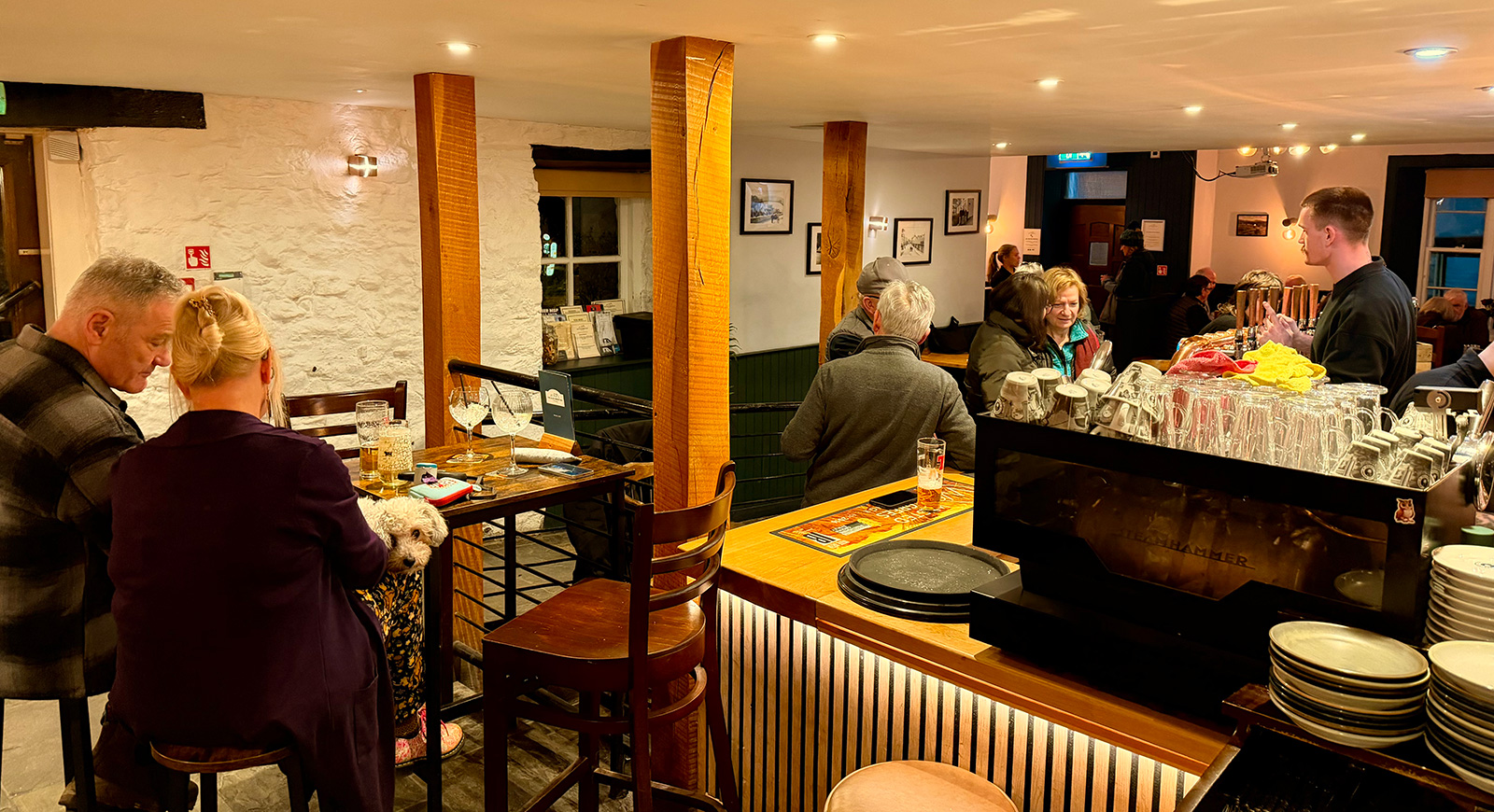 Hospitality is strong but challenges exist
£4 a night extra on a room might not sound cataclysmic but there is already noise around price point in some of Highland Perthshire’s main tourist destinations, as business feel compelled to raise prices to cope with things like business rate rises, energy cost hikes, VAT and National Insurance.
Decision makers need to tread very, very warily, here.
It is not just the international tour parties that will bear the brunt of a Tourist Tax, either. According to VisitScotland data from 2022-2024, half a million visitors to the region who were surveyed were domestic, with 90 000 international.
The couple visiting from Aberdeen will have to fork out the extra in the same way as the couple from Austria. 77% of visitors are repeat customers so loyalty is important in the Perthshire market. If things are already on the pricey side, and families are feeling the pinch, it may start to tip the balance the wrong way.
Positives
Proponents, of course, will point to fresh revenues for enhanced destination promotion or improved tourism management and this would be welcome, if a levy was to be the outcome.
However, the consultations to date suggest the public are not convinced any extra cash will be diverted to where it is needed in tourism and, with virtually every council in Scotland broaching eye-popping budget squeezes, the general feeling is that any extra takings could simply get subsumed in other needs.
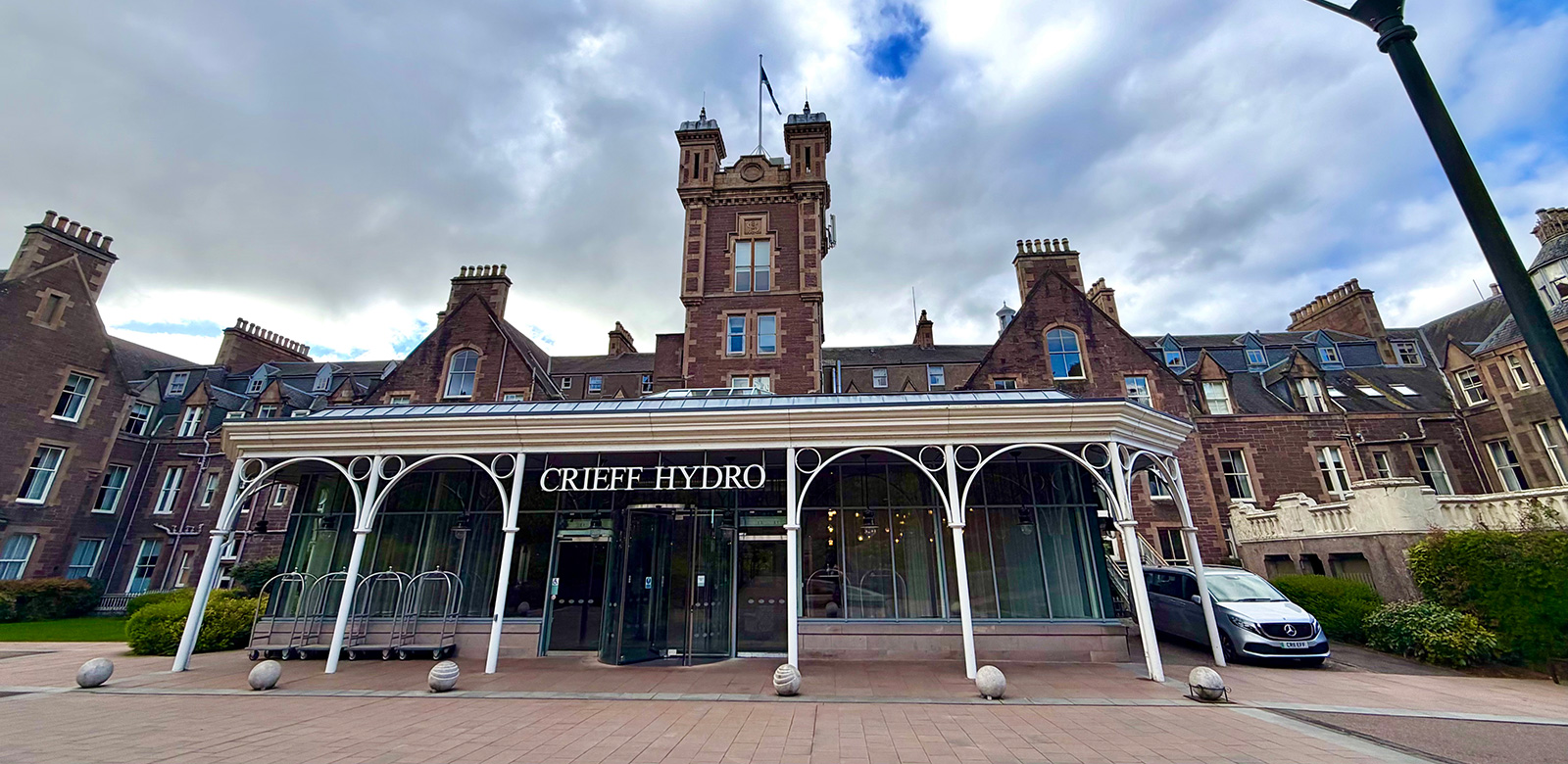 Crieff Hydro supports jobs across its portfolio
Buffer businesses
While the region, as a whole, contains several large-scale outliers which help buffer against economic tremors - big employers such as SSE in Perth (over 1700 jobs at Inveralmond), Aviva (around 1100 at Pitheavlis) and Stagecoach (nearly 1300 across its operation) – there are fewer of these behemoths in rural areas.
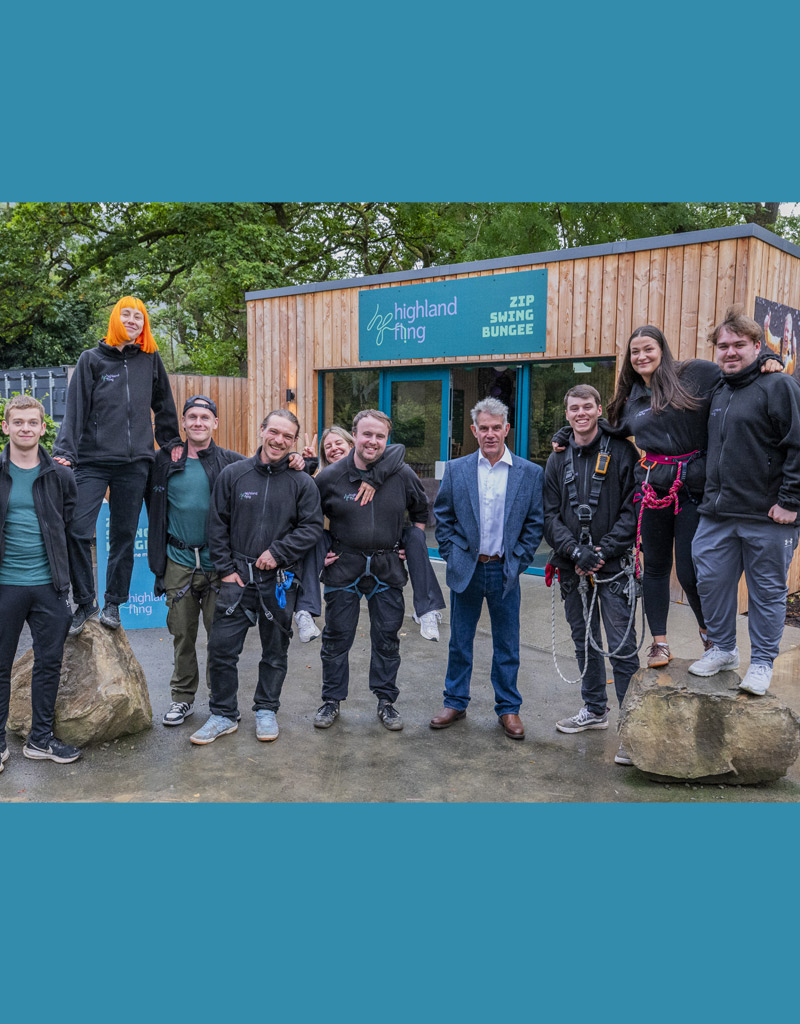
Some do exist, scattered widely across the region. Big employers include Highland Spring in Blackford (a headcount of around 350), Atholl Estates (over 105 jobs in Highland Perthshire), Crieff Hydro supports between 500-1000 jobs across its whole portfolio, with a significant number in Crieff, and House of Bruar nurtures between 330 and 350 employees up the A9.
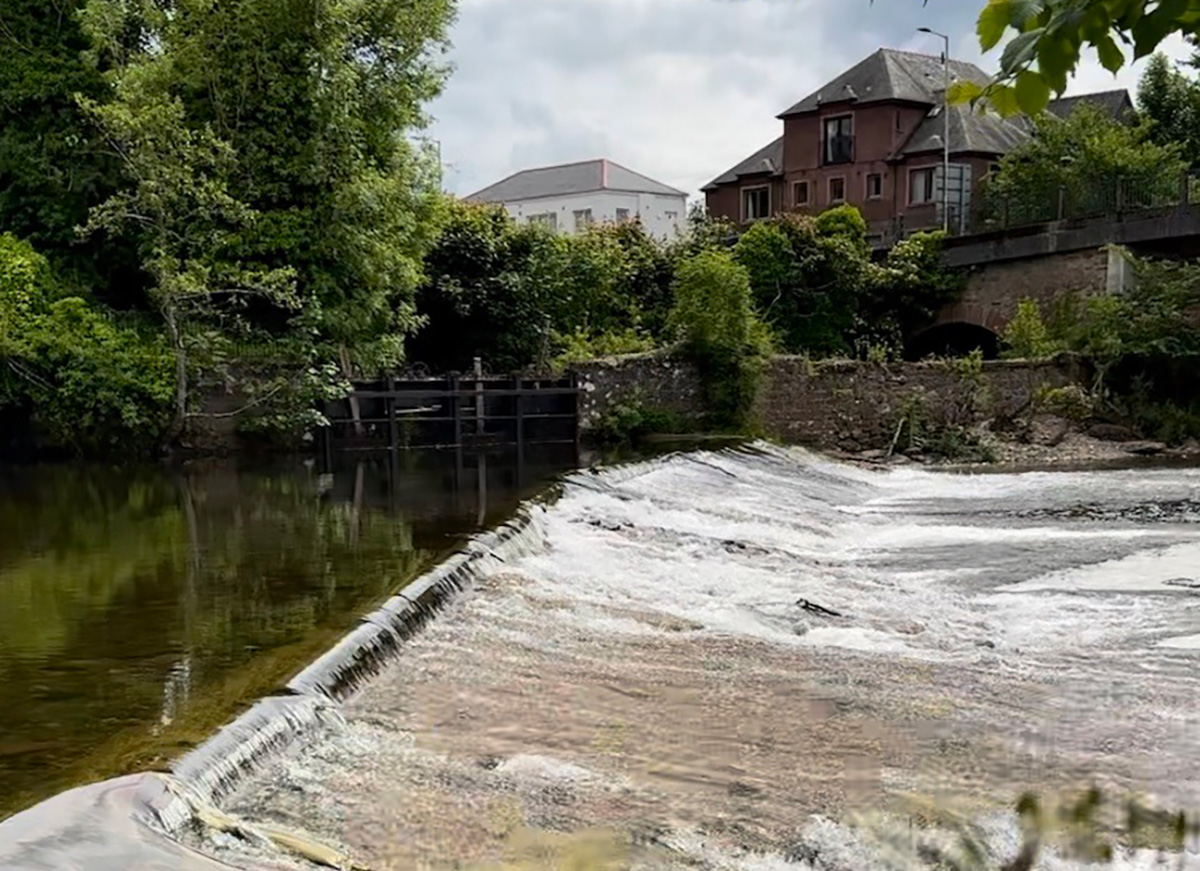 Blairgowrie has been earmarked for growth due to several big employers
Blairgowrie is interesting in itself. While pockets of rural poverty are recognised, here, the town bucks UK growth potential trends, largely due to the emergence over the last 12 years of water company, Castle Water, which employs 347 people, many local.
With Proctor Group, a supplier of thermal and acoustic products for the construction industry, also based there, a further 130 jobs are sustained in the town and extended area.
This offers some localised resilience and growth prospects, but some other rural places are struggling to lure the profiles that make a difference.
Strathearn, Almond and Earn and the Carse of Gowrie show elements of stagnation, in a purely growth sense. It will be interesting to see what Scottish Government decides to do regarding the looming application to build the UK’s biggest solar farm, Halfway Energy Park, in the Carse.
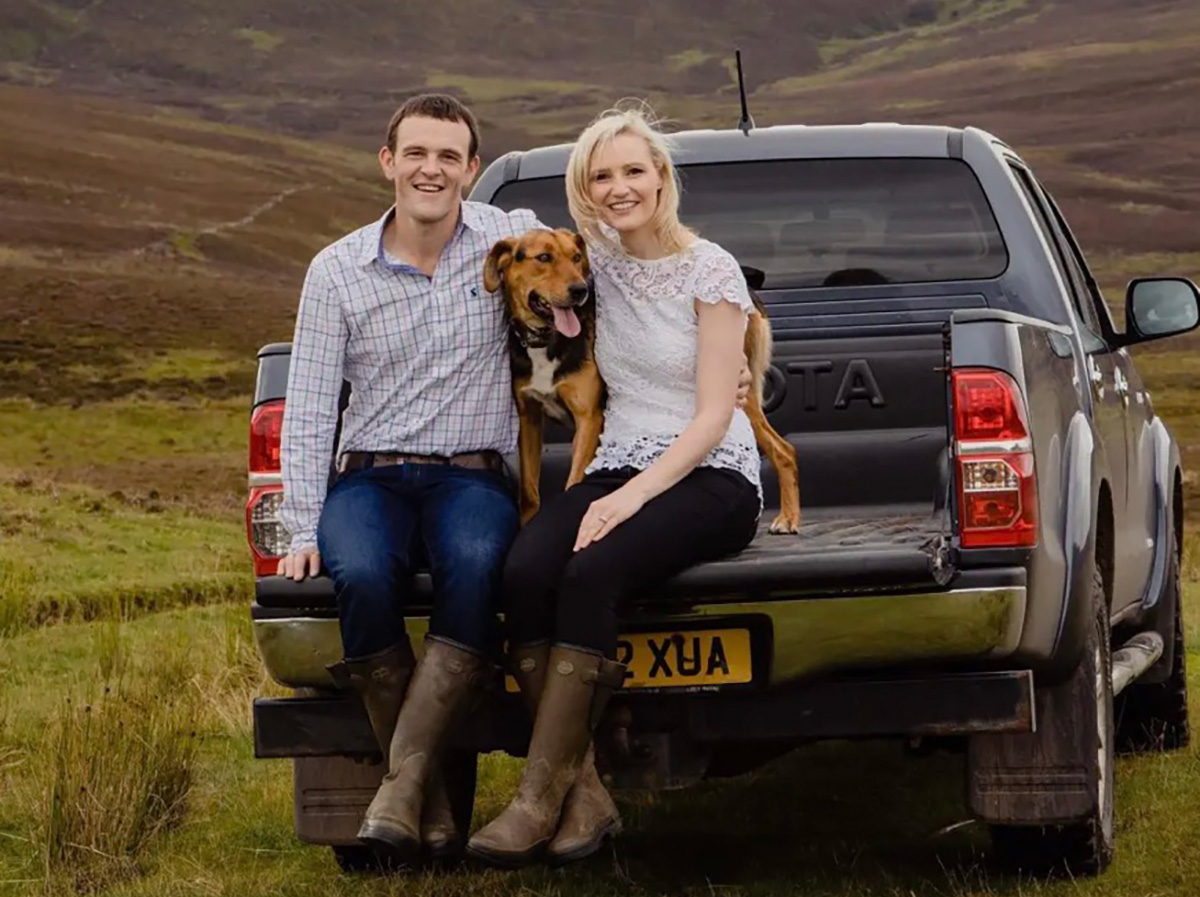 Farms and estates offer resilience to the rural economy
Consolidation
The visitor draw continuing to be strong and growing, the rural Perthshire economy – in general – is fairly consolidated. The relatively unquantifiable part of its strength is in the proliferation of farming, forestry and estates businesses.
Data on the economic impact of these largely private enterprises is hard to find in open source. However, there is enough evidence to suggest these sectors add a layer of resilience, feeding into the wider visitor economy.
A River Tay fishery study in 2014, for example, recorded 1010 angler days, with the majority generating overnight stays. The positive contribution made by outdoor activities is laid bare, here and agriculture is the bedrock of the local food and drink offering, worth nearly £500m per year, according to Invest In Perth.
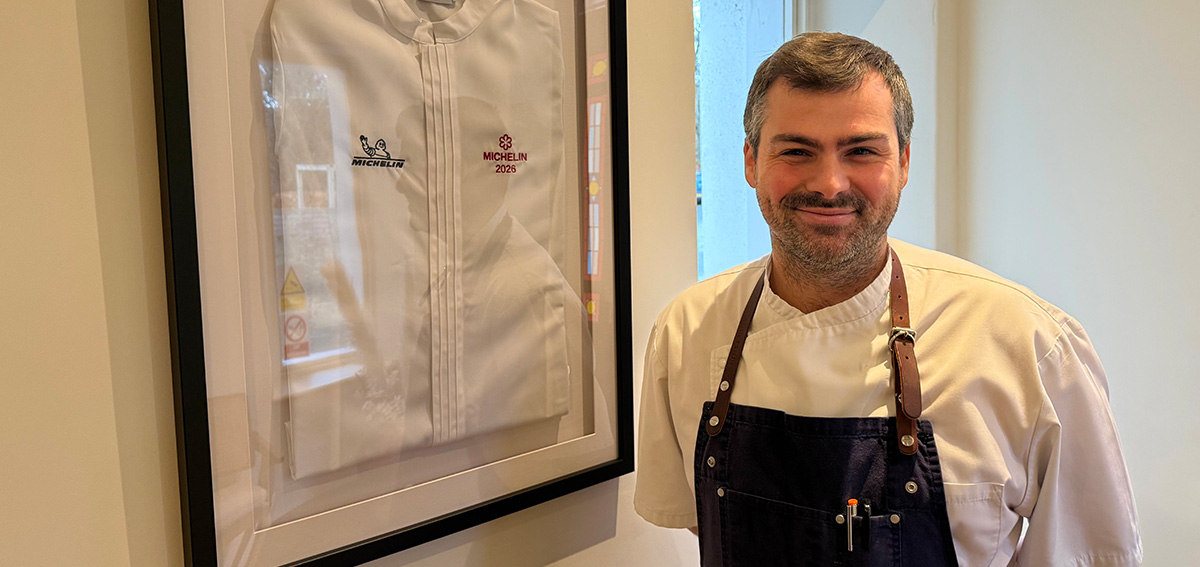 Food and drink is a bulwark of the rural Perthshire economy
The housing ‘elephant’
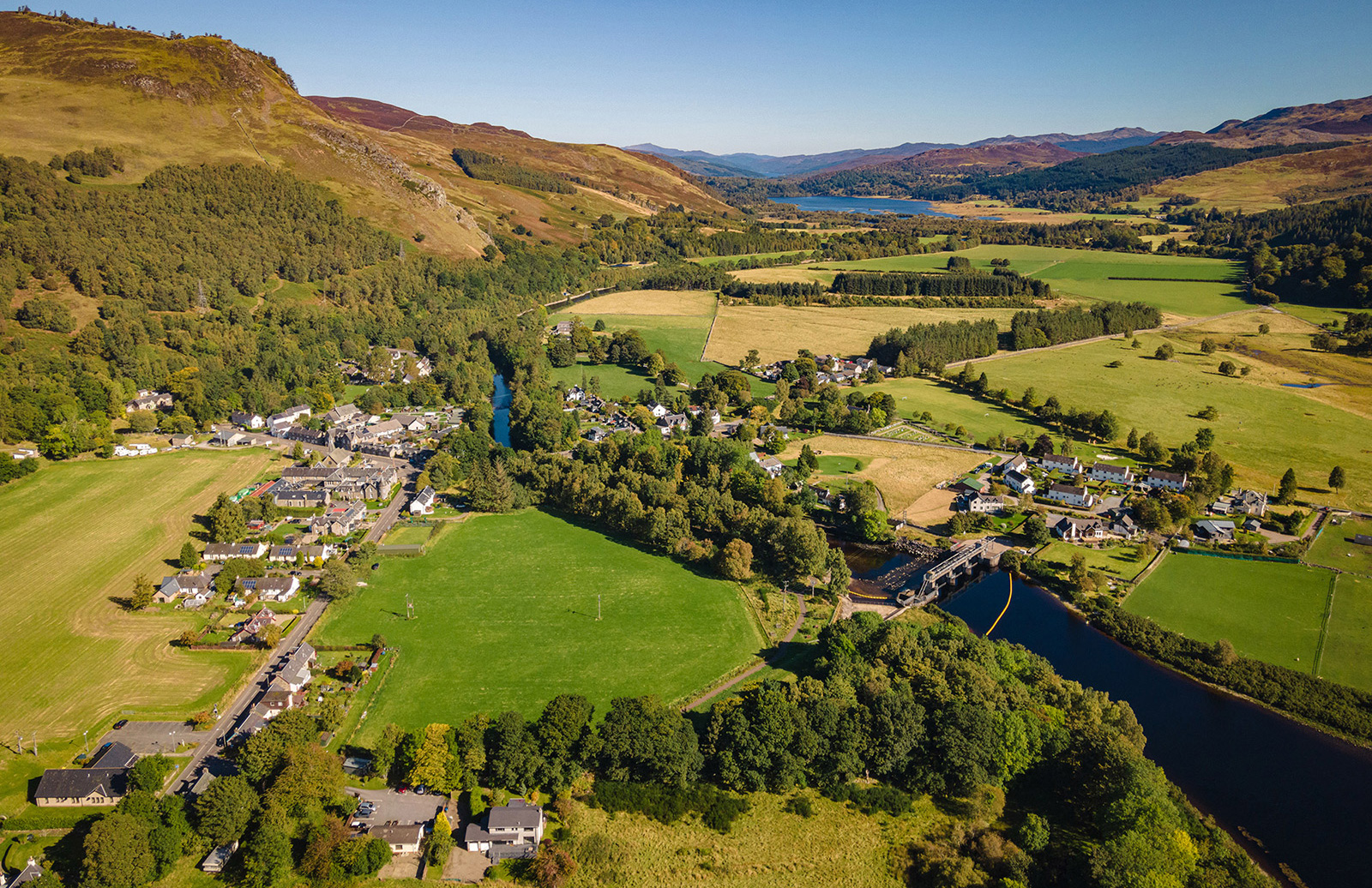 Places like Kinloch Rannoch face severe housing shortages
One of the biting issues facing the rural Perthshire economy is housing. The reality is inescapable. There are no quick or easy answers.
Partly created as a negative byproduct of a strong tourism outlook and its undoubted attractiveness, several parts of rural Perthshire are buckling when it comes to lack of homes (for both residents and workers) and, while the Visitor Levy poses a challenge, housing is arguably the defining issue pulling hard on the coat-tails of growth, as PBN has explored before.
A 2024 Perth and Kinross Council summary of their Big Place Conversation with communities told its own story about Rural Housing.
Key themes emerging repeatedly were the lack of affordable housing impacting the ability of businesses to secure and retain workers, youth migration and short-term lets/holiday/second homes inflating prices.
PBN has focused attention on a number of new Perthshire developments which are having to build homes for workers into their plans due to the lack of appropriate accommodation locally.
If solving the rural housing shortage can be the subject of concerted, pipelined actions, the drag on growth and potential can be minimised or managed.
For the state of the future Perthshire economy, this is now essential.
*This article contains Growth Flag, STEAM, VisitScotland, Perth and Kinross Council, Scottish Government, Invest In Perth and individual company data as its primary sources.
You can read Part 1 of our ‘State of the Perthshire economy’ report here.
A Perthshire Business News Visitor Levy Survey of readers found the majority (65%) opposed to the move.

Article author Kenneth Stephen of Perthshire Business News has written on Business and the Economy for Business a.m, The Times, The Herald and The Scotsman, amongst others.
Latest News