Perthshire Castle to preserve its signature colour
26 June 2026
Tourist gem in consents bid
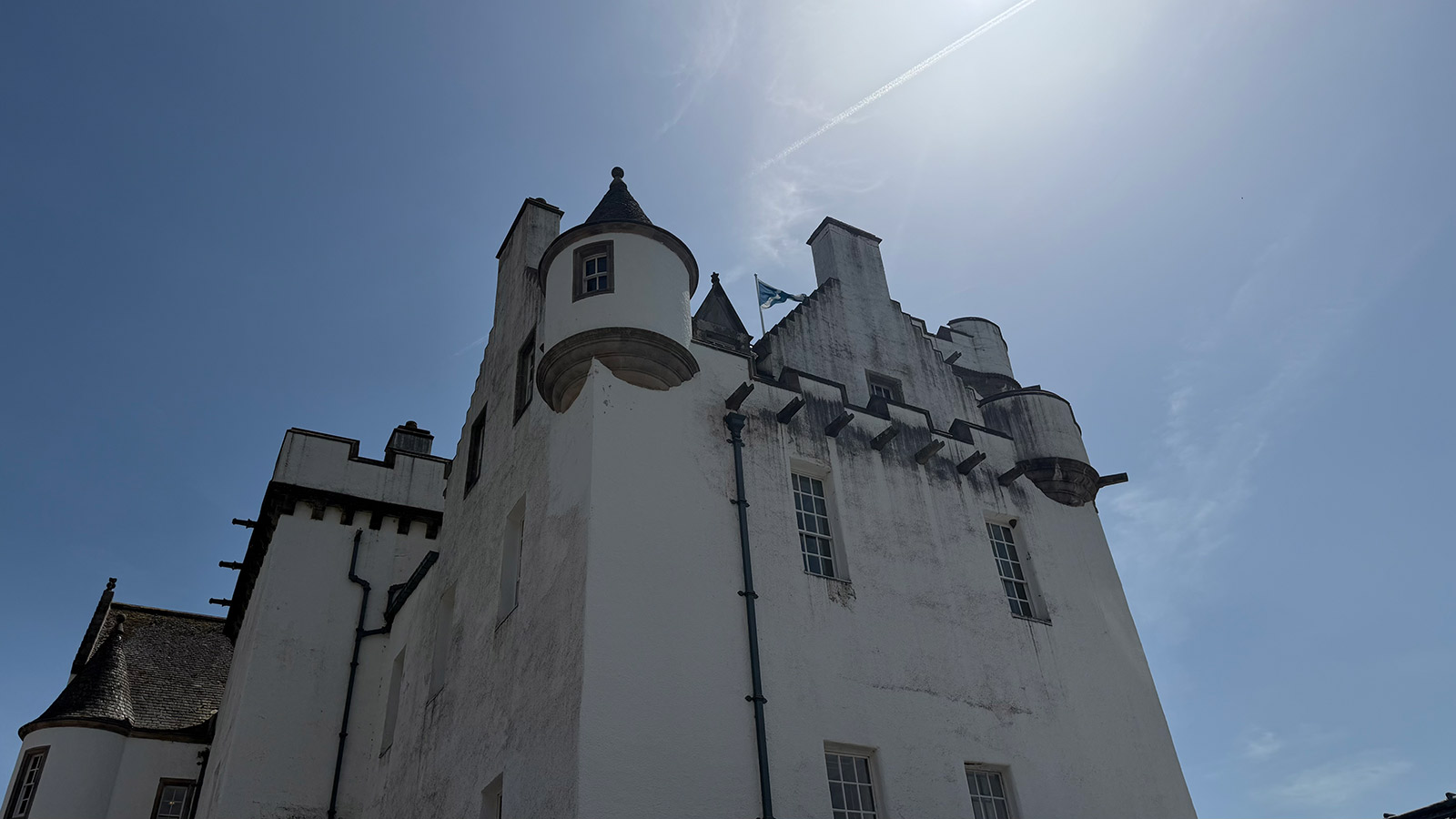
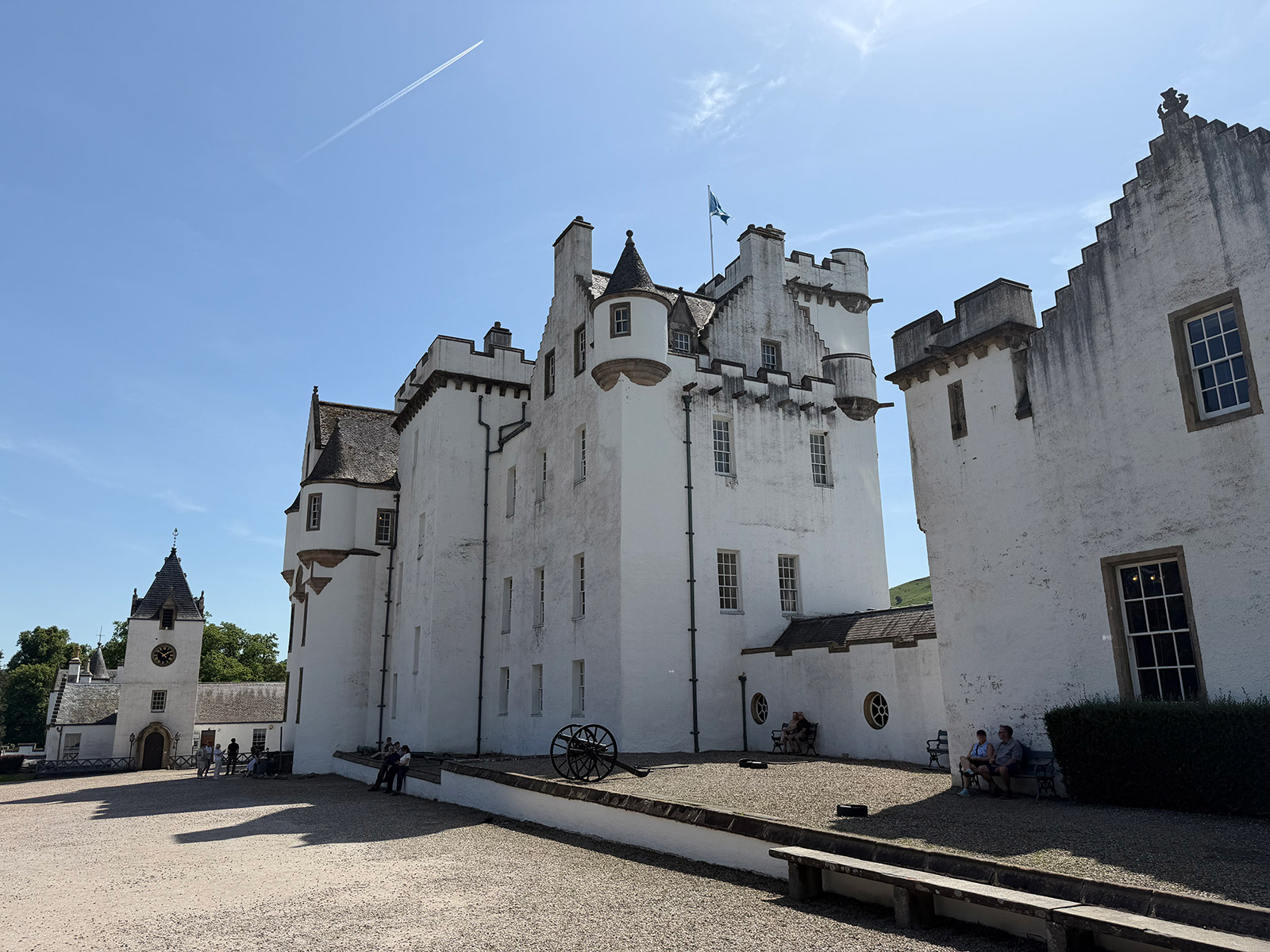
One of Perthshire’s most loved attractions, adapted over 750 years, has applied for historic consents to make improvements to its Scots Baronial roof.
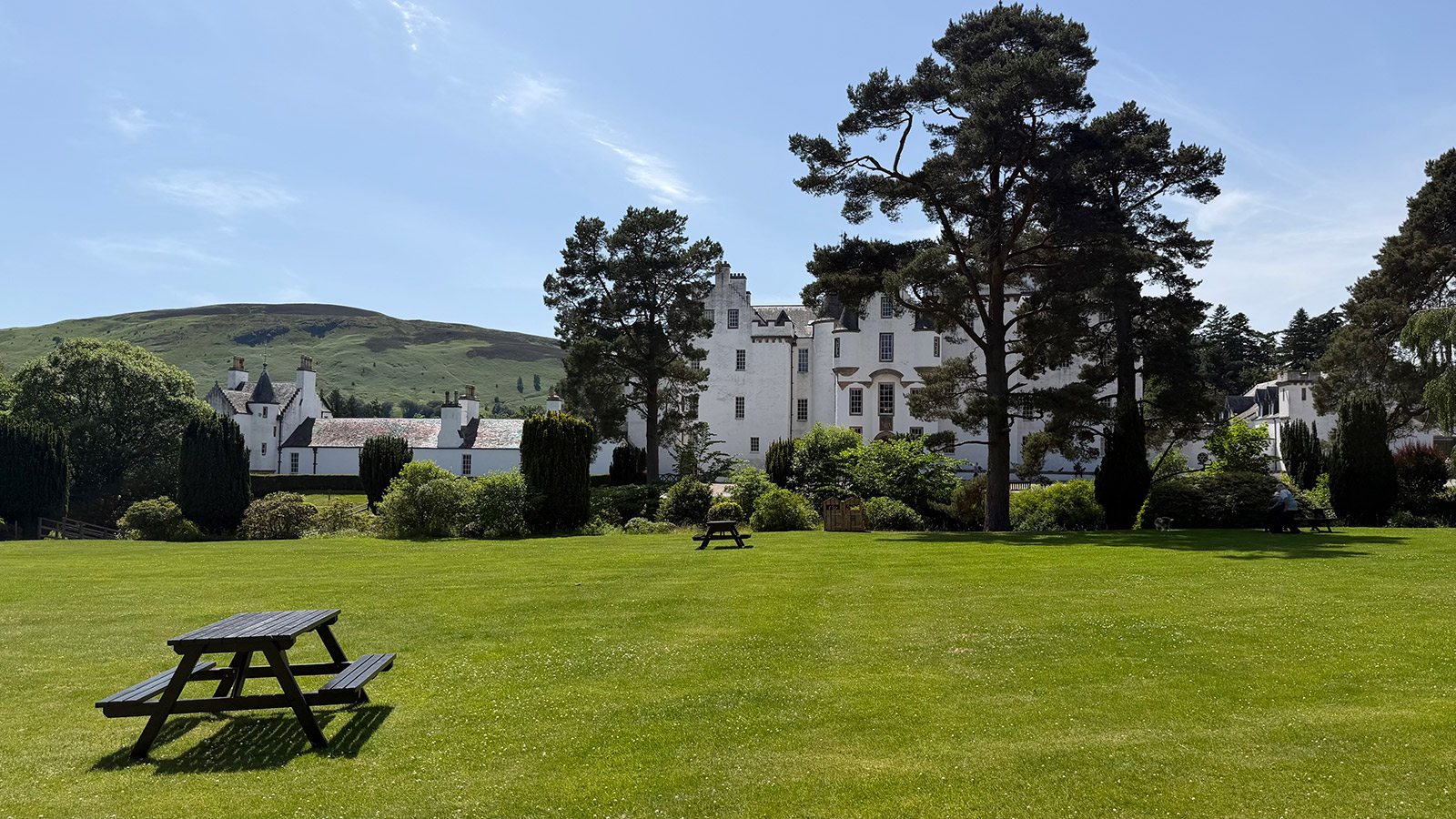
Blair Castle in Blair Atholl, home of the Atholl family for seven centuries - and the only remaining private army in Europe, the Atholl Highlanders- attracts around 140 000 visitors per year.
Its guardian Blair Charitable Trust is seeking Listed Building consents to make changes including permanent roof safety improvements and alterations to prevent discolouring of its stunning white façade.
Cycle of paintworks
It is a known cultural myth that railway chiefs in charge of the architectural wonder, the Forth Rail Bridge, used to have to begin repainting the structure immediately after reaching the other end, in a never-ending cycle of maintenance.
Since the early 90s, keepers of Blair Castle have tended to its trademark white appearance in a two year split decoration cycle every 12th year, using silicate mineral paint.
However, planning statements presented to the authorities by Jonathan Gotelee Architect (JGA), on behalf of the Trust, described the expected results of this redecoration cycle, on the north and east sides particularly, to be beset by discoloration after only 3-5 years.
Amongst a number of other changes, this aspect will be addressed, hopefully bringing greater longevity to a feature which helps to make the Castle’s appearance memorable for its many domestic and international visitors.
Small trays will be installed below flat topped crowsteps to prevent water and dirt discolouring the paint; a solution which has proved successful during previous roof work.
Technical challenges
Making alterations to pitchings, slates, valleys and gutters on a roof which has been re-worked throughout the centuries, notably in 1870 and 1920, often involves recourse to archive materials and photography.
JGA has already carried out 6 previous rounds of work on the Castle roof in 14 years.
This included re-harling parapets above Baron Maule’s Room, re-slating the Great Drawing Room Roof and improvements to the South Wing.
New works will include partial replacing of slate sections with Burlington Grey slate sourced from Cumbria, lead work, improvements to the abutment of the pitch at the base of Comyn’s Tower and the installation of safe access solutions such as steps.
With heritage bodies voicing no objection to plans, it is expected planners will approve the latest round of works.
Latest News