Kinross-shire gem aims to go more green
8 May 2026
New Power and premises plan for regional jewel
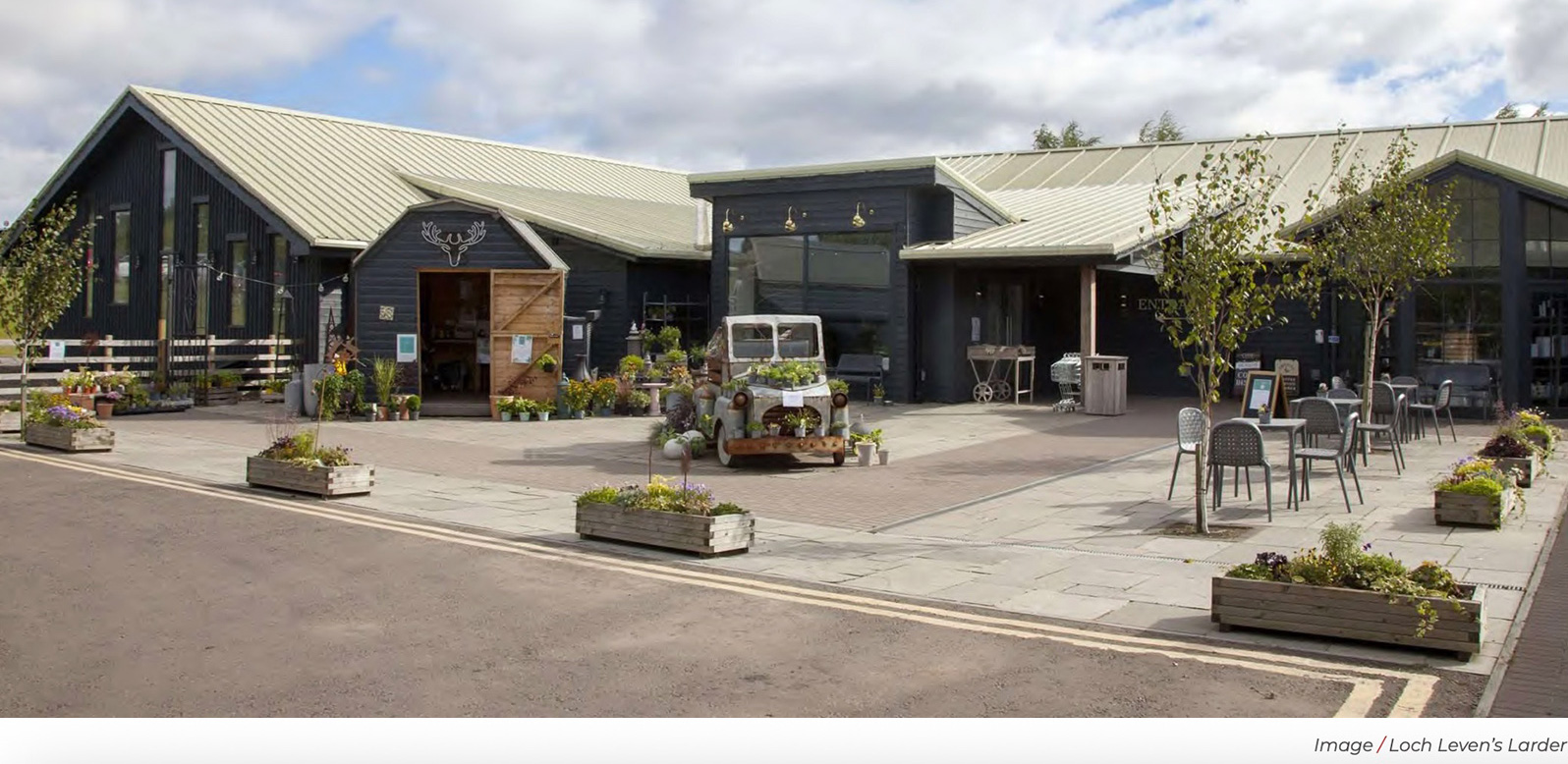
A Perth and Kinross gem could reduce its reliance on grid energy by over 50% if solar plans are approved.
Loch Leven’s Larder, one of the biggest employers in the region, is seeking consent for a ground-mounted 162kw PV array with battery storage to help power its food hall, retail areas and restaurants.
It comes as the business, which celebrated its 20th anniversary last year, is looking to further diversify with enhanced staff accommodation and new small business premises.
 The original Channel Farmhouse
Continued expansion
Expanded considerably over the past two decades, Loch Leven’s Larder in Kinross-shire requires 63.79 tons of grid energy, annually, to power its popular dining areas, shopping, and design and homeware departments.
However, should the 360-panel array, sited within a paddock adjacent to the east of the premises, win approval (with 280kw battery pack), energy purchased from the grid would reduce by 54% per year.
It would also ‘align with the site’s long-standing commitment to sustainable land-based practices’, according to its development plan.
The black mounted anti-reflective panels have been set within the landscape to be as naturally screened as possible and, although the berth is agricultural, livestock can still graze the site.
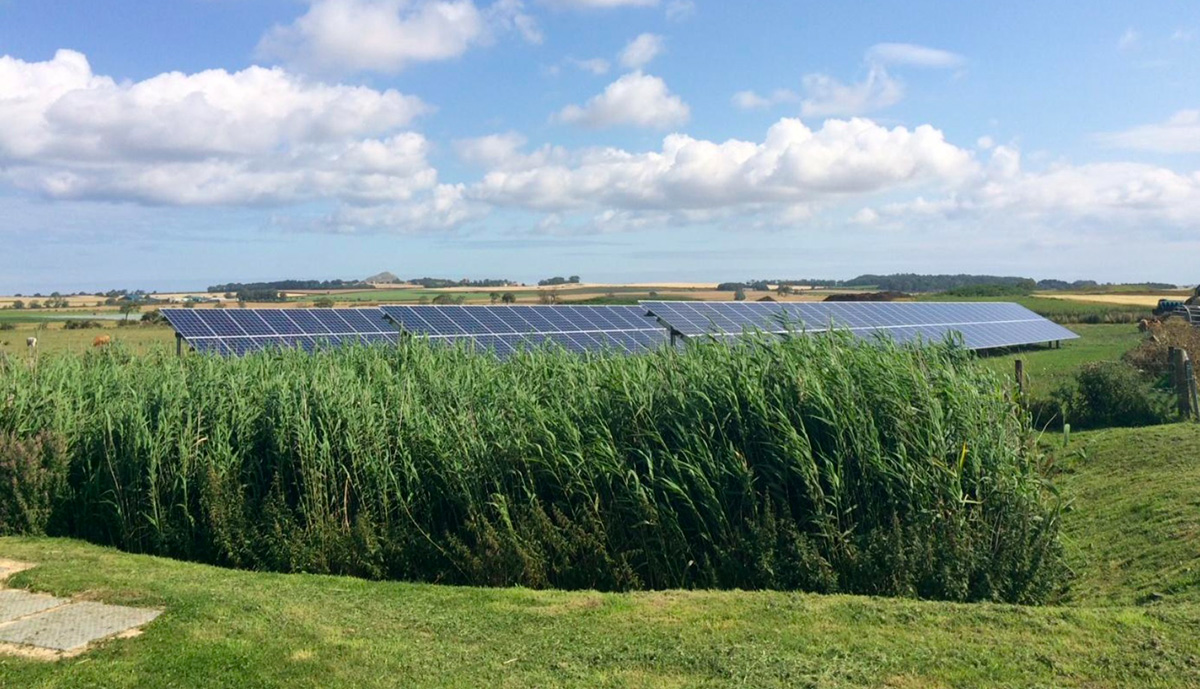 Similar project for size and scale
Accommodation shortage
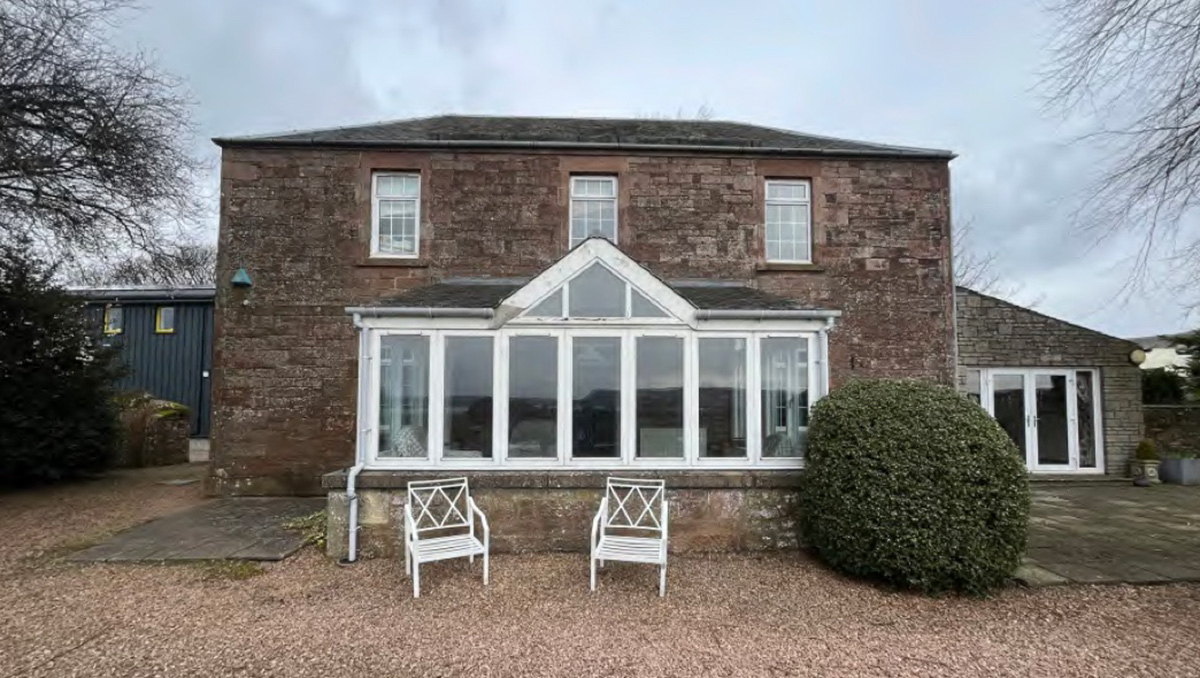
In a further potential development, the owners are looking to repurpose the original family home of Channel Farmhouse to meet staffing and local business needs.
Due to the development of the larder footprint in recent times, the farmhouse has ceased to be a family home and currently houses a staff member.
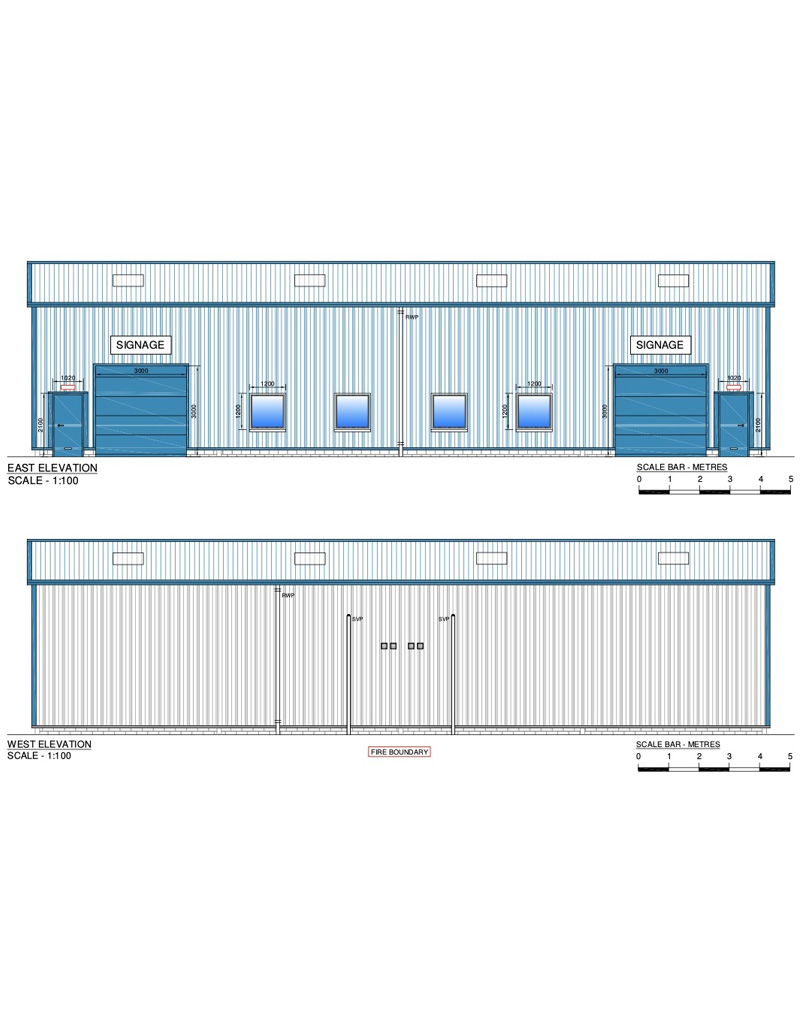
Now, the owners want to create 2 on-site staff bedrooms and small business units over two floors of the original building through a ‘sensitive’ adaptation of the farmhouse.
Should this be approved, it will serve the twin purpose of addressing a lack of local accommodation for key staff and providing opportunities for local SMEs to rent premises.
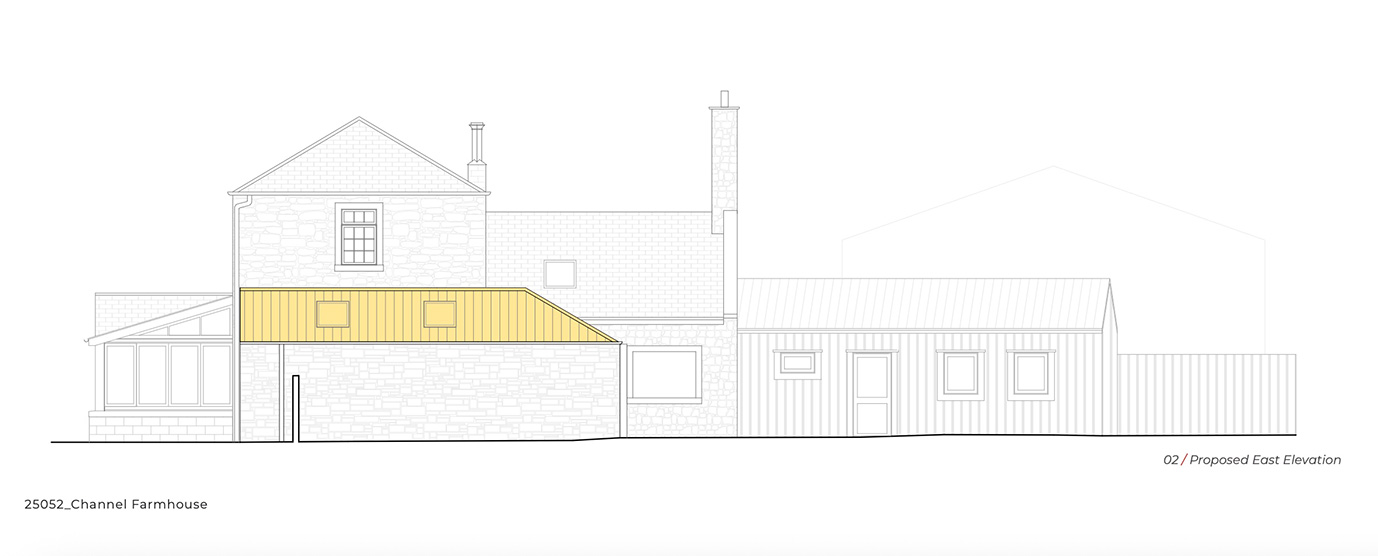 Design changes
Creating jobs
Loch Leven’s Larder employs over 85 staff, with retention of valued personnel being a business goal.
‘The proposal contributes to the sustainability and diversity of the local rural economy through the reuse of an existing building. It provides essential infrastructure for a major local employer by creating on-site staff accommodation and small business premises,” its proposal says.
Latest News