Does Perthshire need a regional mayor?
20 April 2026
What May’s Holyrood election could bring
With less than 3 weeks to polling day, the main Scottish parties are pitching to business-minded voters.
All the major parties have now published manifestos.
Here, PBN looks at each, casting a glance, too, at some of the more unconventional proposals.
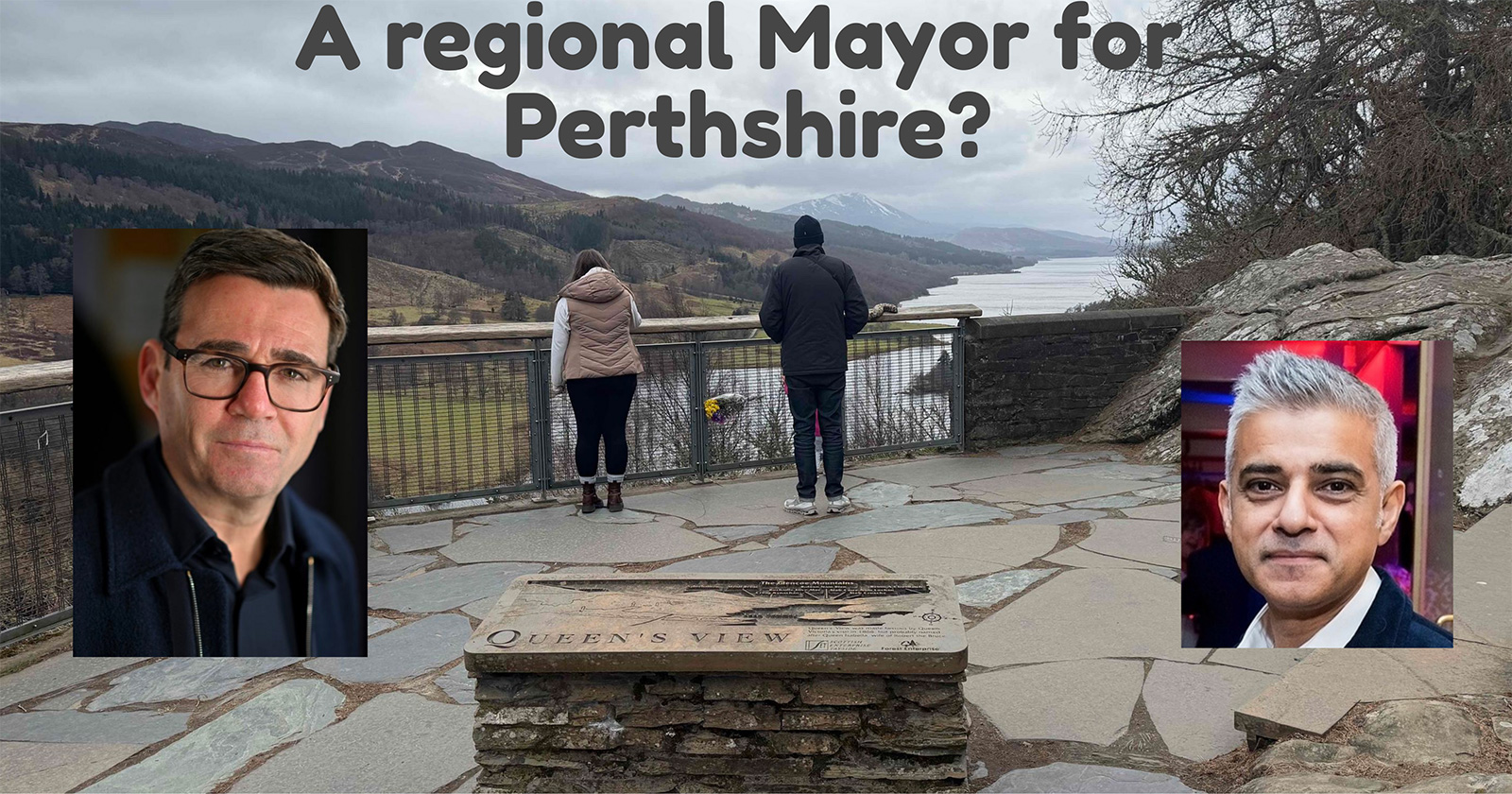
Scottish Labour wants to give local authorities the choice of electing a regional mayor to champion the area.
Could Perthshire do with an Andy Burnham (Greater Manchester) or a Sadiq Khan (London).
Mayors are able to work arms length from government and with councils, with devolved powers on things like economic development, skills and transport.
A Mayor’s single focus can help to bring in tailored investment and, although currently untried, there may be merit in pulling some of the power away from Edinburgh and back to local areas -a Scottish Labour election priority.
The Greens would like us all working less.
If elected, they would kick-start 4-day working week pilots across the public sector.
This is not without advocates. In Iceland, trials between 2015 and 2019 found that worker productivity remained stable or increased and worker burn-out declined. In Belgium, workers have the right to request a ‘compressed hours’ 4-day working week.
It is issues such as rates and taxation which are squeezing the bottom line for businesses.
Non-domestic rates have been a headache, with re-evaluations taking affect as of this month.
More business are now paying higher rates bills and, acknowledging the pain, there is not a manifesto which doesn’t touch on this critical issue.
While all parties want to reform or independently review (SNP) the rates system, Scottish Labour and Reform want to abolish business rates completely.
Reform wants to phase them out in favour of an annual property tax while Scottish Labour wants business to help it design a new local business levy.
Business taxation features prominently, with both the SNP Scottish Labour looking for online retailers and distribution houses to be taxed fairly, with shop front businesses bearing the brunt of rates burdens while online retailers bypass similar costs. This has been one factor cited in the decline of the High Street.
Of all the parties seeking to boost hospitality, the Lib Dems want an immediate 5% VAT cut for hospitality. While this would be welcomed by business, they would have to win favour at Westminster to deliver this as it is not a devolved responsibility.
Interestingly, the Lib Dems are also the only Holyrood party which would provide a rates exemption for the last bank in each town, in a bid to prevent the loss of critical banking services – particularly problematic in rural towns.
Coupar Angus lost its last bank branch, as did Auchterarder and Crieff. Blairgowrie is destined to lose its final bank in June and Pitlochry only has one bank, Bank of Scotland, left.
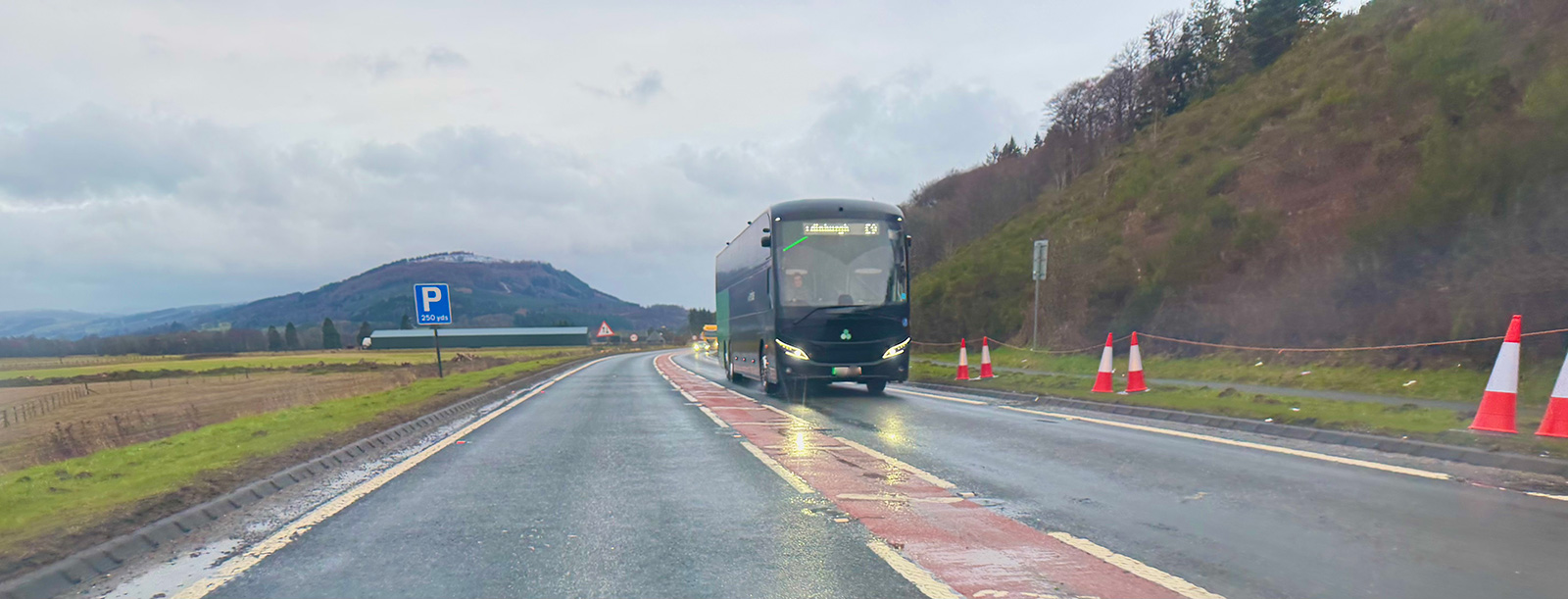
Housing and transport are all critical to how businesses function. The SNP have doubled down on the commitment to dual the A9 by 2035 while Scottish Labour want a new superfast rail link, more likely to benefit Edinburgh and Glasgow.
While almost all parties have pledged to build more houses, the Lib Dems and Reform have focused particular attention on altering planning rules so that houses for local workers can be built on council brown field sites.
Such moves could prove attractive to Perthshire voters, with lack of houses for working people proving to be a barrier for communities and businesses.
Where will you place your cross on the ballot paper?
All will be known after May 7th.
Latest News