Budget falls short of easing Perthshire rates fears
14 January 2026
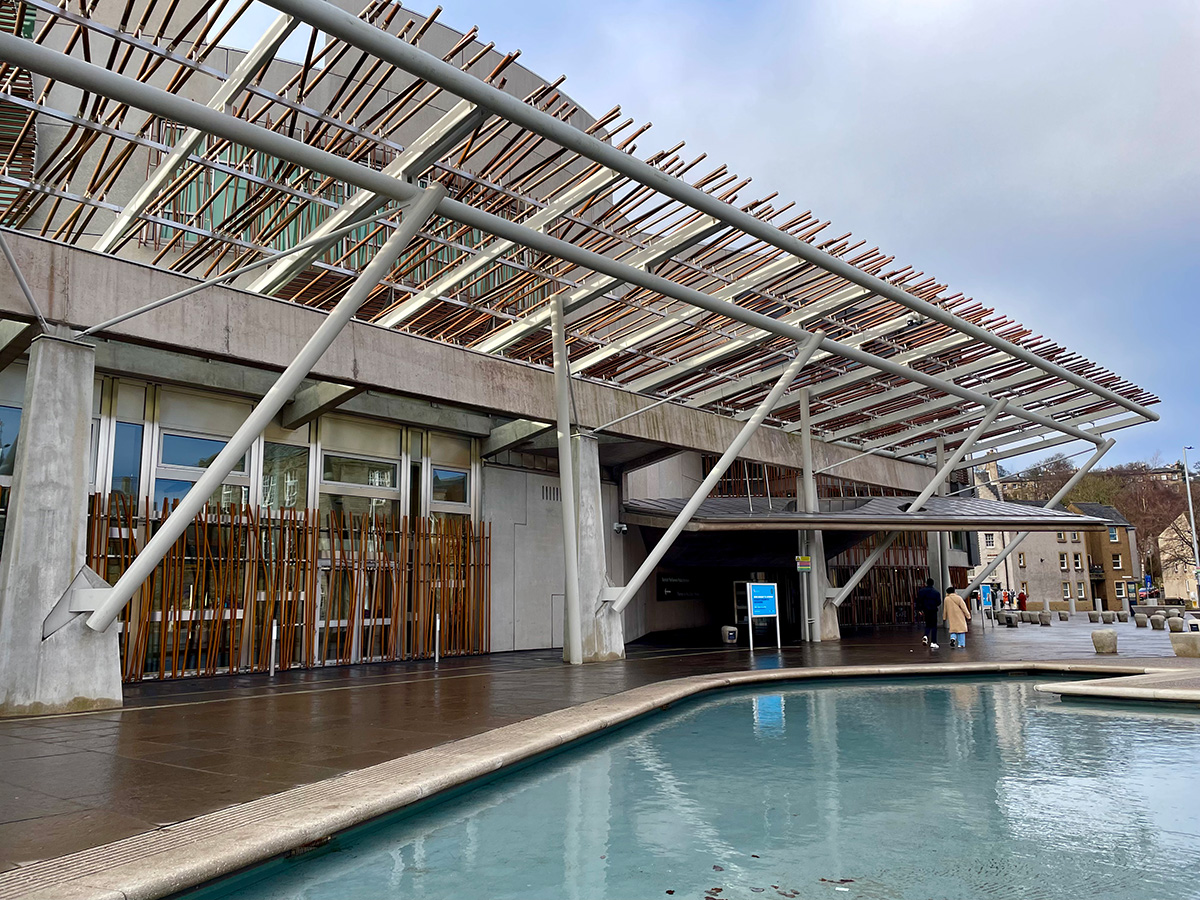
Finance Secretary’s measures received with caution
Perthshire’s self-catering, tourism and hospitality businesses saw some rate fears temporarily eased by yesterday’s Budget, but concerns remain some small businesses are still on the edge.
Responding to calls from sector bodies for transitional rate reliefs and the maintenance of schemes such as the Small Business Bonus Scheme (outlined by PBN, here), Finance Secretary Shona Robinson outlined a package of aid measures in the Holyrood budget.
However, the spectre of ‘eye-watering’ rises in non-domestic rates on April 1st still lingers for many, with hikes of up to 300% being reported.
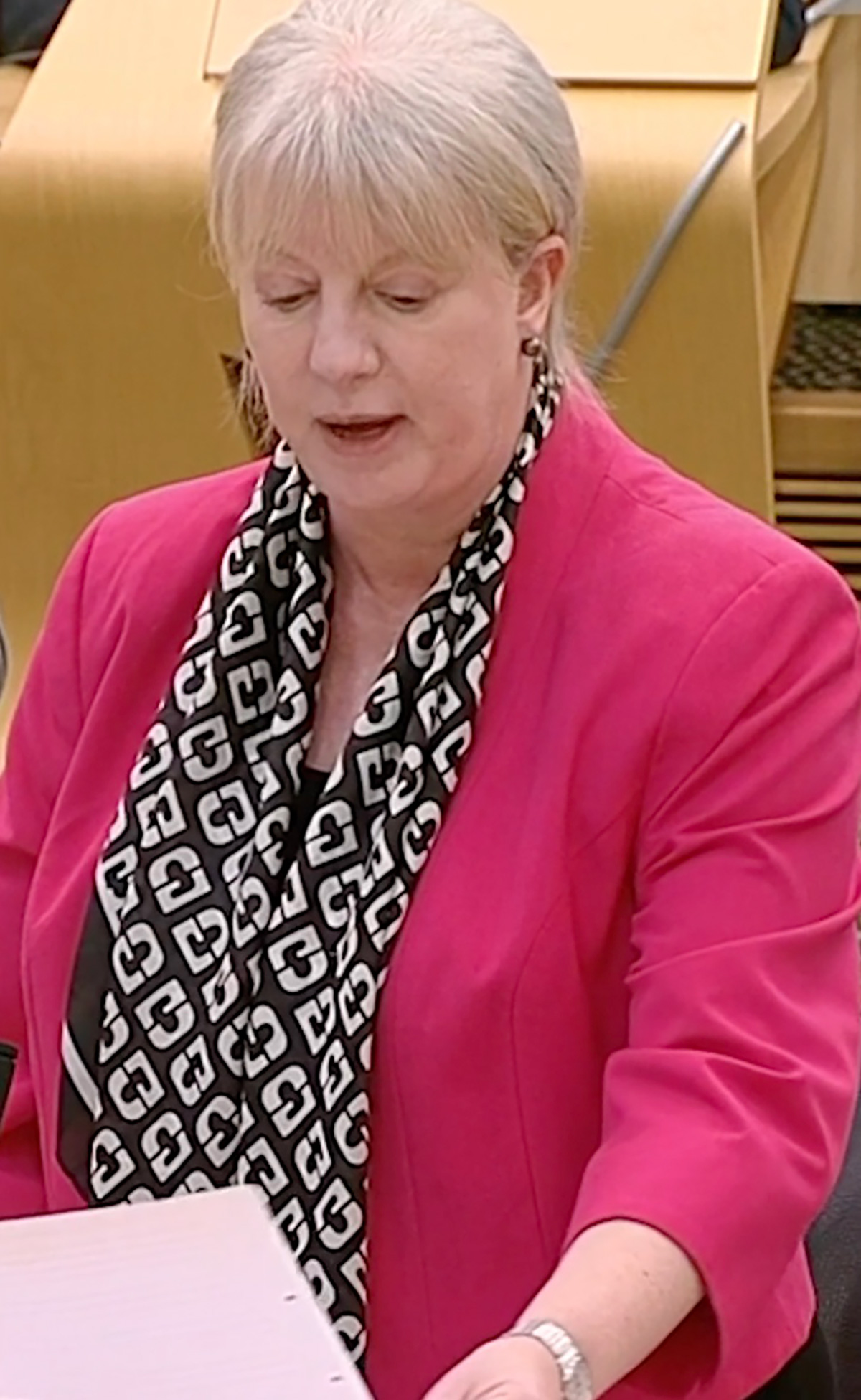 Finance Secretary Shona Robison delivers the 2026 Budget
Short-term, capped reliefs
Amongst positive steps announced by the Government were transitional reliefs and the continuation of the Small Business Bonus scheme for a further three years.
There will be a three-year 15% relief for retail, hospitality and leisure properties liable for Basic or Intermediate Property Rates as well as reductions for Higher Property Rates.
The Government also pledged to cap gross non-domestic rate bill increases by 15% in 2026/27 for small properties, rising in future years.
An independent assessment of how the rates re-evaluations have been arrived at has been promised by the end of 2026, but it will not come soon enough to prevent Bills going up on April 1st.
Whether the short-term transitional relief measures announced in the Budget will be enough to sweeten the pill of what’s to come remains the critical point.
Detail is key
Fiona Campbell MBE, CEO of the Association of Scotland’s Self Caterers said:” The ASSC notes that there will be a rates relief package following weeks of sustained industry pressure. The devil will be in the detail, but questions remain as to whether this will be enough to help tourism accommodation providers survive and thrive.”
Marc Crothal MBE, CEO of the Scottish Tourism Alliance said the Budget, whilst acknowledging pressures in the tourism and hospitality sectors, didn’t go far enough to address more fundamental and lasting problems caused by rising costs.
The measures, he said, did not ‘respond to the scale of the challenge facing tourism and hospitality,’ adding, ‘Relief is capped, time limited, and does not address the volatility created by re-evaluation or the cumulative burden of rising costs, leaving many businesses still on the precipice of commercial viability.”

Latest News